Cart 0




Weatherproof Warning Signs
The recent heatwaves across the UK have brought plenty of sunshine, longer days and the kind of weather many of us look forward to all year. However, rising temperatures are not simply a seasonal talking point. Extreme heat events are becoming more frequent, longer lasting and more intense, and organisations are increasingly having to think about how their sites, equipment, staff and visitors are protected when the weather turns severe.
When the temperature climbs, most of us instinctively think about people and pets first. Dogs need extra attention, shade and water. Children need protection from the sun. Older people and those with health conditions may need additional care to stay cool and comfortable. Yet there is another important area that is often overlooked: the warning signs, safety labels and instruction plates that help people understand risks in the first place.
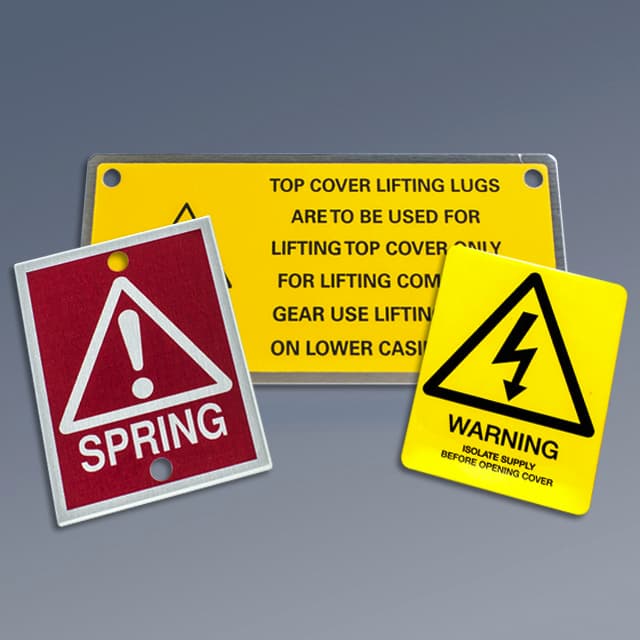
Clear safety information is essential in any environment, but it is especially important outdoors or in exposed locations. Heat, direct sunlight, rain, frost, cleaning chemicals and everyday wear can all cause low-quality signs to fade, peel, crack or become unreadable. Once that happens, a warning sign is no longer doing its job. A faded hazard label on machinery, an illegible electrical warning, or a peeling instruction plate on outdoor equipment can create confusion at exactly the moment when clear information is needed most.
That is why choosing the right material for warning and safety labels matters. It is not only about how a sign looks when it is first installed; it is about how well it performs after months or years of exposure. A good weatherproof sign should remain readable, secure and professional-looking through changing conditions, helping businesses maintain safety standards and reduce the need for frequent replacements.
Anodised Aluminium Warning Signs
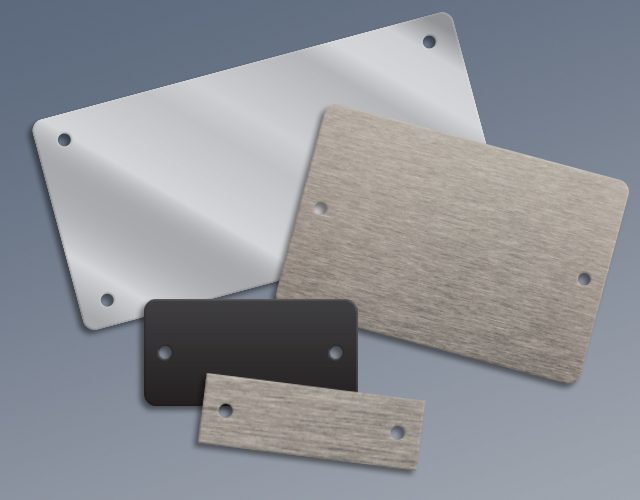
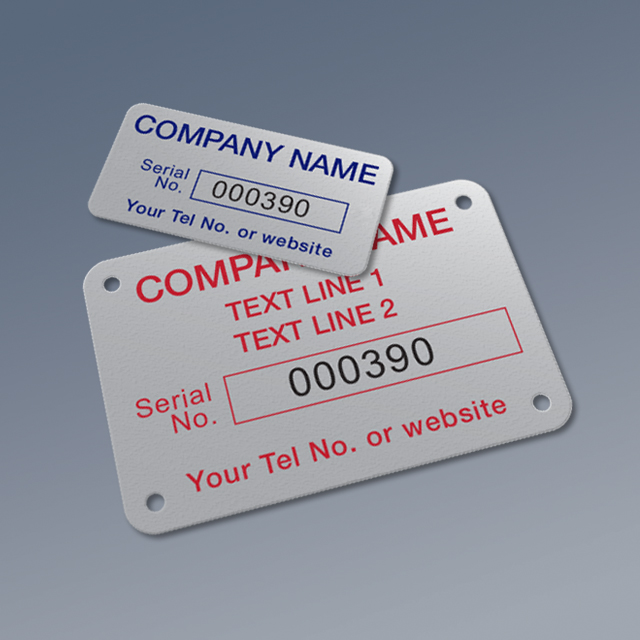
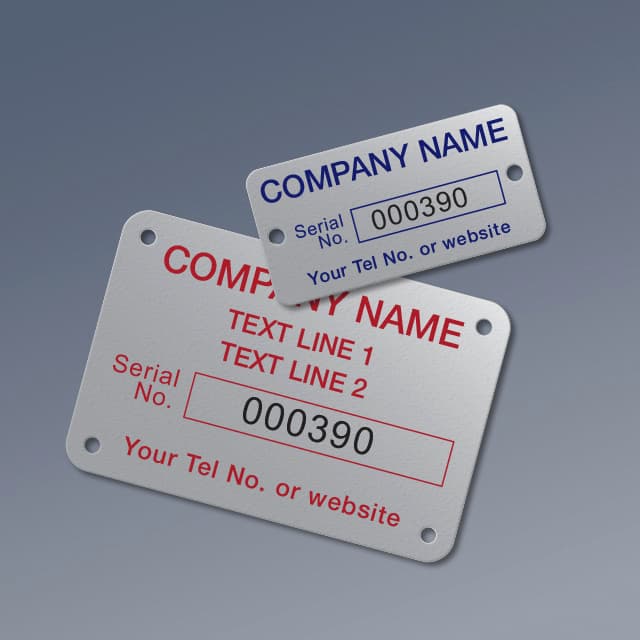
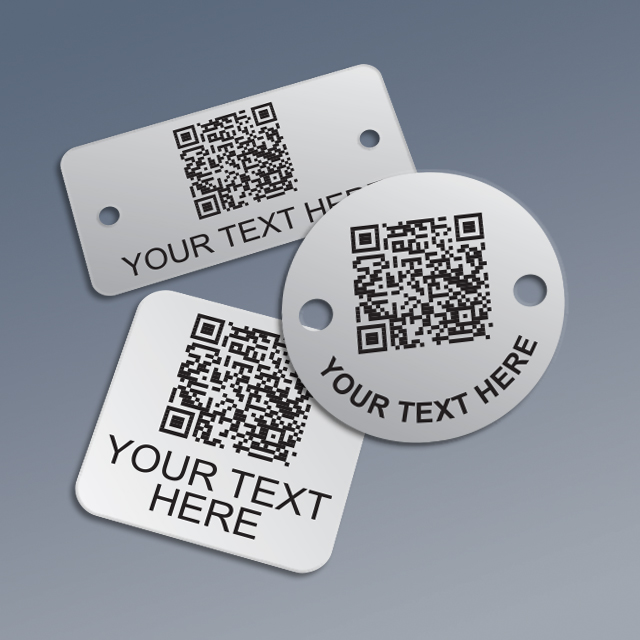
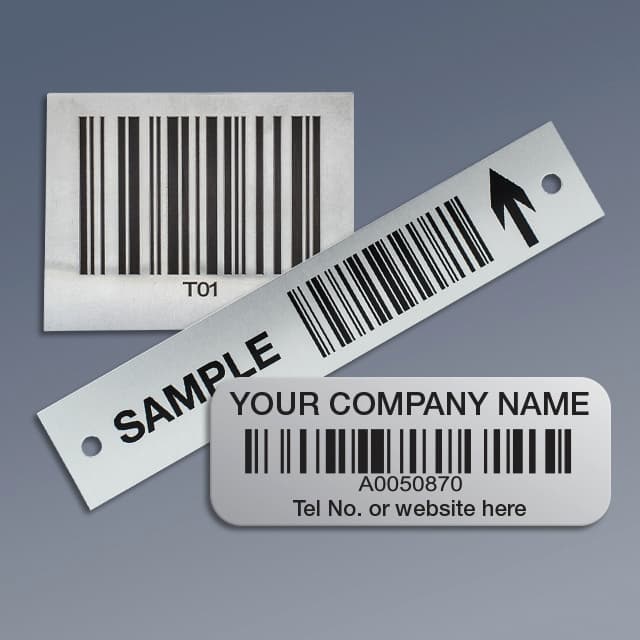
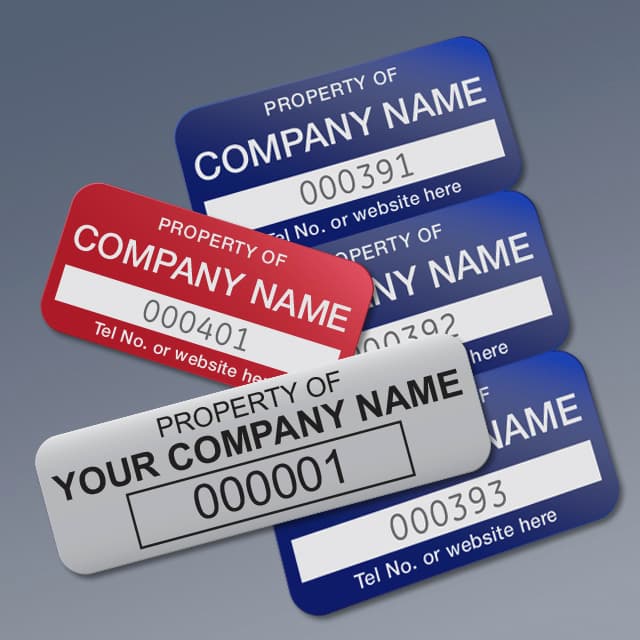
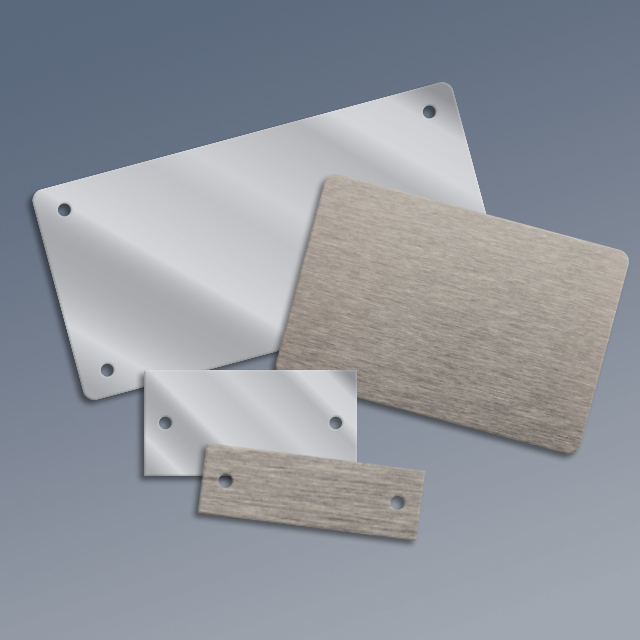
Anodised aluminium is one of the most durable options for warning signs, rating plates and safety labels that need to withstand demanding conditions. The anodising process creates a tough surface that is resistant to heat, UV exposure and general weathering, making it a reliable choice for outdoor use, industrial environments and areas where a standard printed label may not last.
During anodising, the aluminium is electrically charged to open the pores of the metal. UV-stable inks can then be printed into the surface before the material is sealed. This means the print is effectively protected beneath the anodic layer rather than sitting on top of the sign. The result is a smart, professional finish that is far more resistant to scratching, fading and heat damage than many surface-printed alternatives.
Under-Surface Printed Polycarbonate Signs
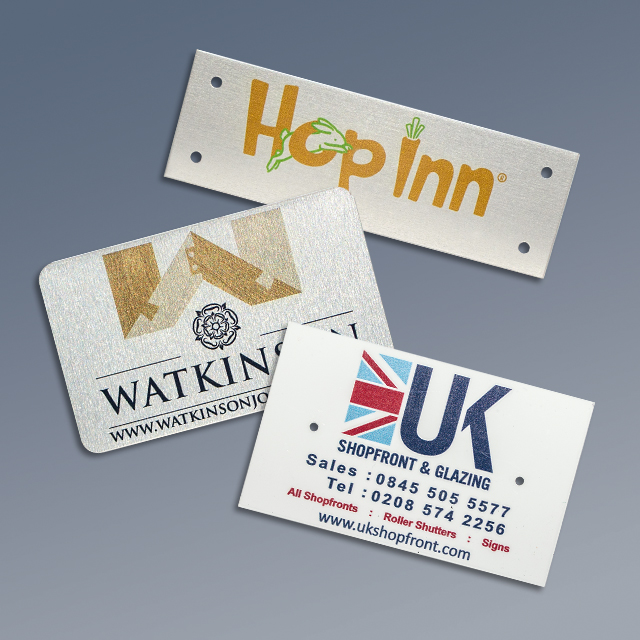
Another excellent option is under-surface printed polycarbonate. This method uses clear polycarbonate and prints the design onto the reverse side of the material. Once applied, the graphics are viewed through the front surface, meaning the print is protected by the polycarbonate itself. This gives the sign a clean, high-quality appearance while helping shield the message from abrasion, moisture and daily handling.
Polycarbonate signs can also be produced with a suitable adhesive backing, depending on the customer’s requirements and the surface they need to apply the sign to. With the right adhesive, these labels can remain secure and weatherproof, even in challenging locations. They are particularly useful where a tough, wipe-clean surface is needed, or where the sign may be exposed to knocks, splashes or regular cleaning.
Where Weatherproof Signs Make a Difference
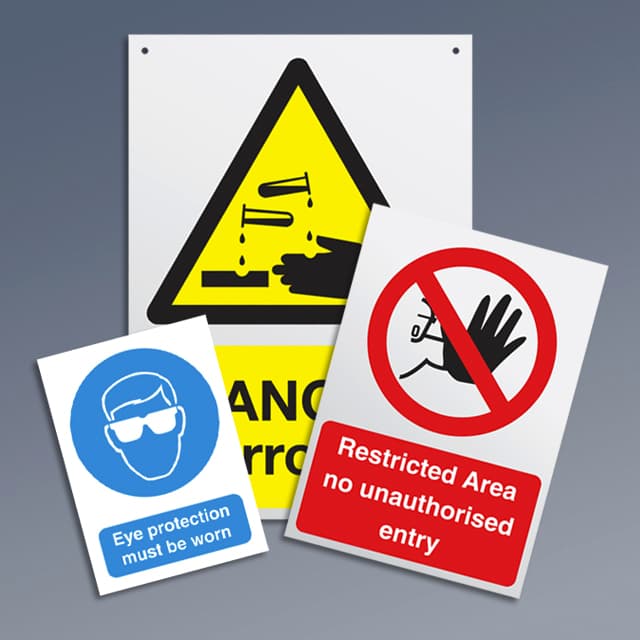
Weatherproof warning signs are used across a wide range of industries and settings. Construction sites, farms, factories, warehouses, utilities, schools, public buildings and outdoor leisure facilities all rely on clear signage to communicate hazards quickly. From electrical warnings and fire safety instructions to machinery labels, chemical notices and access restrictions, the message needs to remain visible in real conditions, not just in ideal ones.
In periods of extreme heat, materials can be pushed harder than usual. Adhesives may soften, cheaper plastics may distort and inks may fade faster under strong sunlight. Choosing durable materials from the start helps reduce these risks. It also supports a more professional appearance, because tired, damaged or unreadable signage can give the impression that safety information is not being actively maintained.
Our Range or Bespoke?
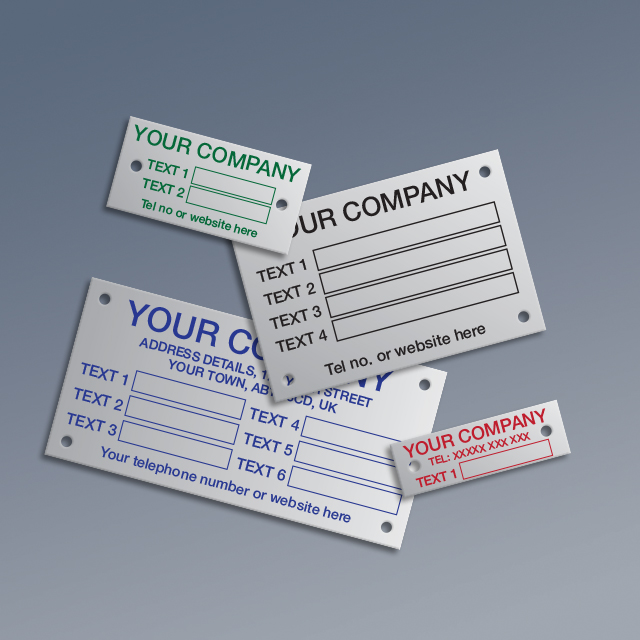
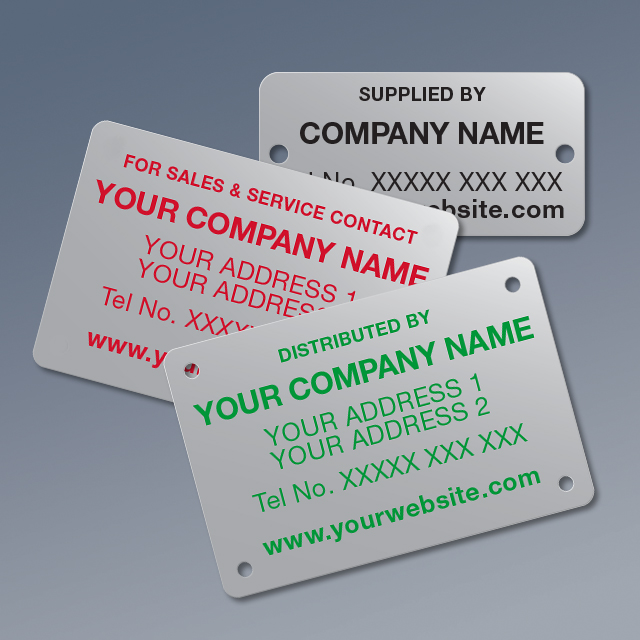
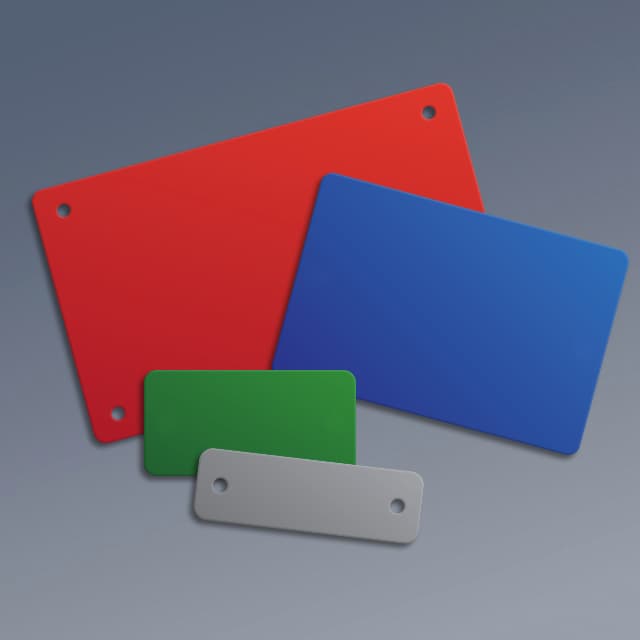
Whilst we offer a wide range of standard warning labels and safety signs, we can also produce bespoke options tailored to individual company requirements. Every site is different, and sometimes an off-the-shelf sign is not quite enough. You may need a particular size, wording, colour, symbol, material, adhesive or fixing method. Bespoke printing allows the finished sign to suit the environment, the hazard and the way it will be used.
Whether you need heat-resistant anodised aluminium plates, under-surface printed polycarbonate signs, or a custom weatherproof label for a specific application, we can help you choose the right option. If your existing signage is fading, peeling or struggling with outdoor conditions, now is a good time to review it. Please contact us to find out more about our standard range and bespoke weatherproof warning signs.