Cart 0




The Science Behind Laser Marking Metal Label Blanks
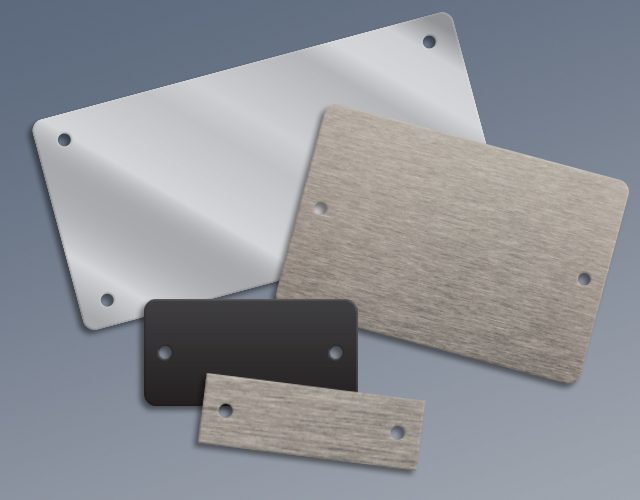
At GSM Online Label Sales, more than 50 years of manufacturing metal label blanks has given us a strong understanding of how different metals, finishes and thicknesses respond to the laser marking process.
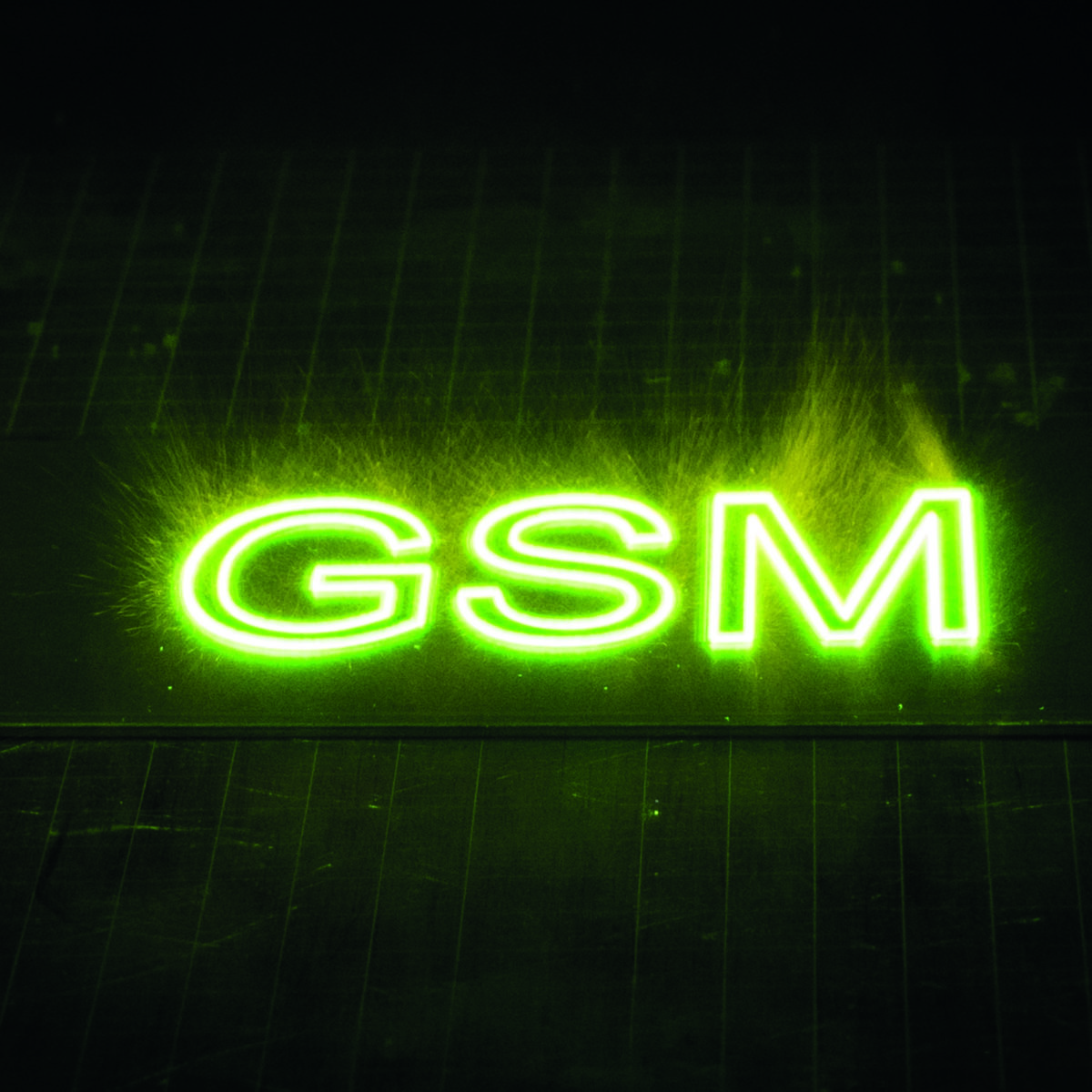
Laser marking is a precise process that uses focused light energy to change the surface of metal. Instead of applying ink or attaching a separate printed layer, the laser reacts directly with the metals surface. This is what makes the result permanent, clean and highly accurate.
In fibre laser marking, a concentrated beam of light is directed onto the metal through a controlled optical system. The energy from the beam is absorbed by the surface and converted into heat in a very small area. This rapid, localised heating causes a physical or chemical change in the top layer of the material. The mark is created by the metal’s reaction to the laser, rather than by adding another substance to it.
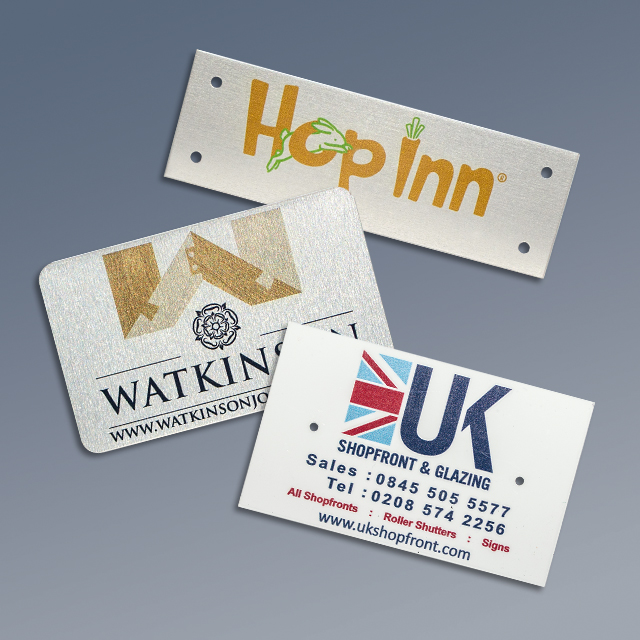
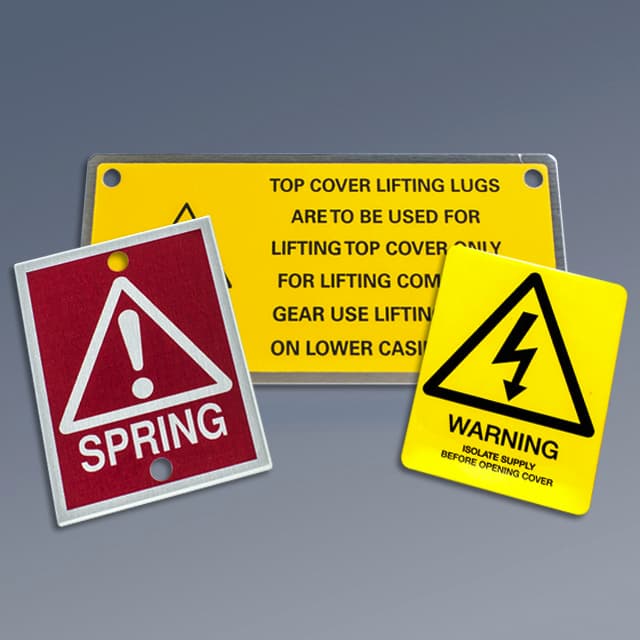
Different effects can be achieved depending on the metal and the laser settings. On stainless steel, for example, controlled heating can create an oxide layer on the surface, producing a dark, high-contrast mark without removing much material. Aluminium may respond by creating a lighter or contrasting surface change, while printed anodised metals can reveal the underlying layer. This is why pulse duration, power, speed and frequency all matter: small changes in the laser settings can alter the colour, contrast and sharpness of the finished mark. That is where the skill of our team becomes essential — carefully setting up and fine-tuning the process so each label is marked with accuracy, consistency and the right visual finish.
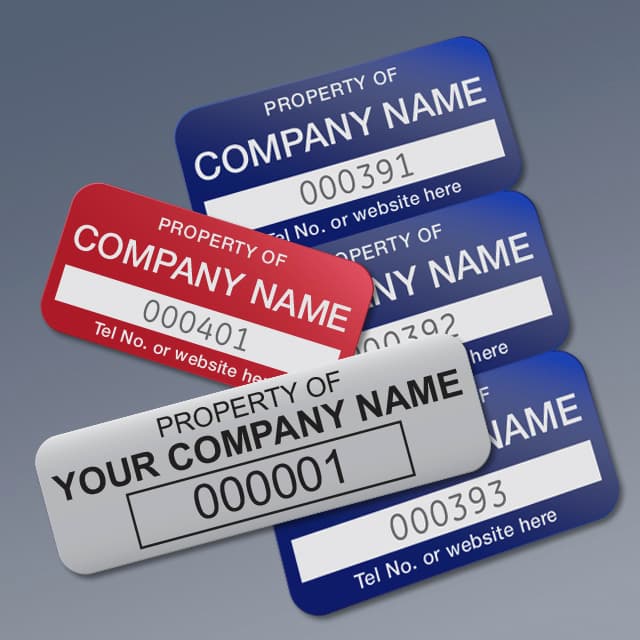
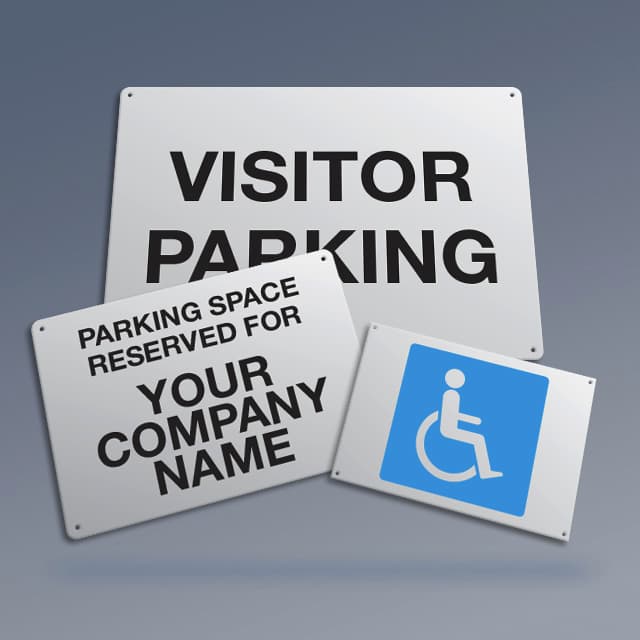
Laser marking is closely related to, but different from, laser engraving. Engraving removes material to create depth, while marking usually focuses on changing the appearance of the surface. For metal label blanks, this distinction is important. Many nameplates, rating plates, asset tags and identification labels need information that is permanent and legible, but they do not always need deep cuts therefore laser marking is the perfect solution. Plastics such as traffolyte and laser max require a full layer of material removed to reveal a different colour underneath hence why laser engraving is the better option for these materials.
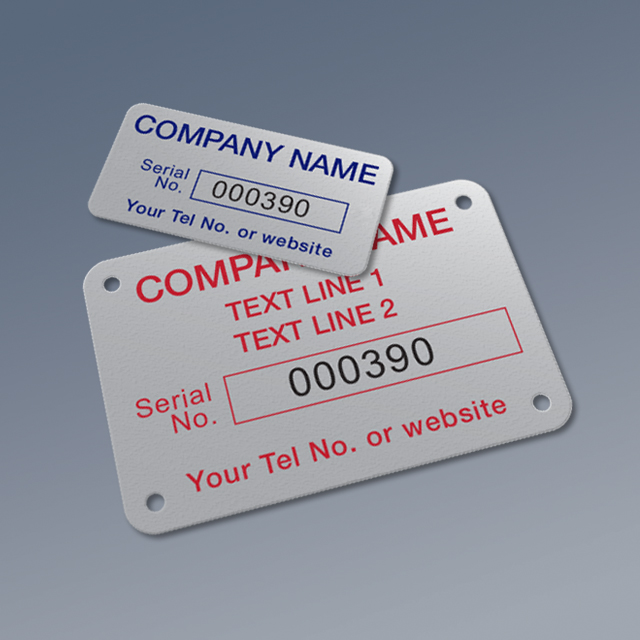
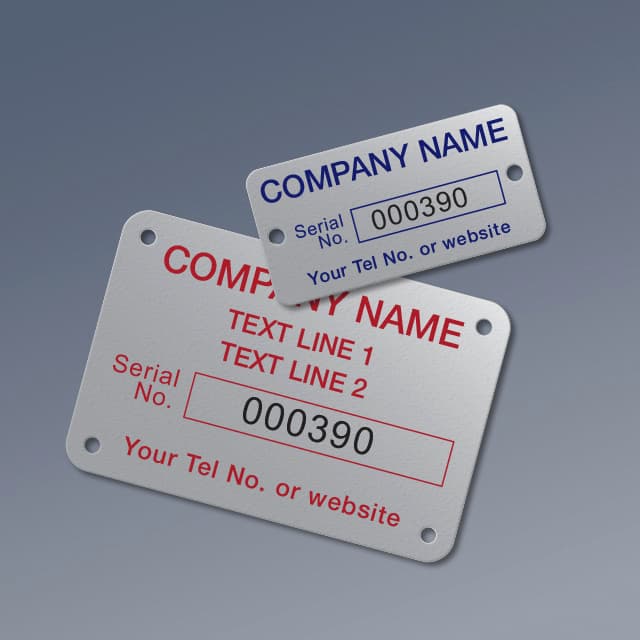
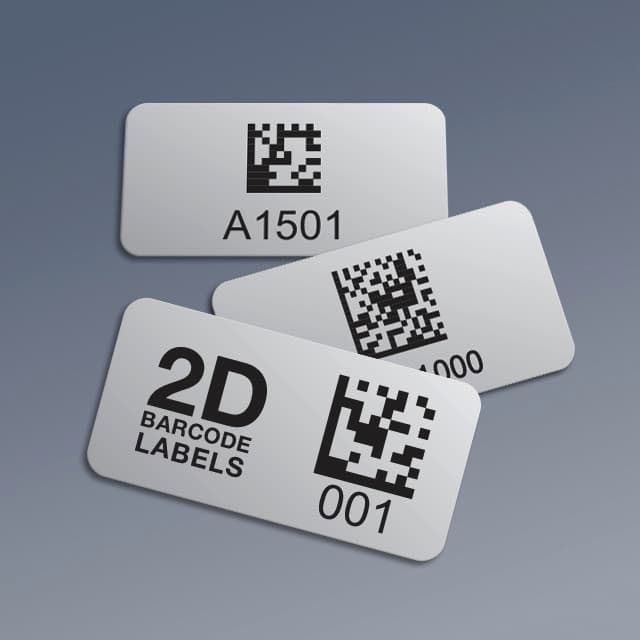
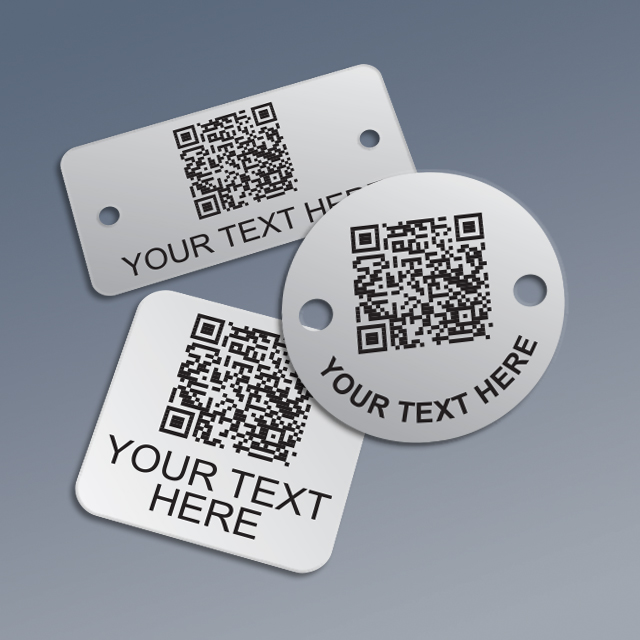
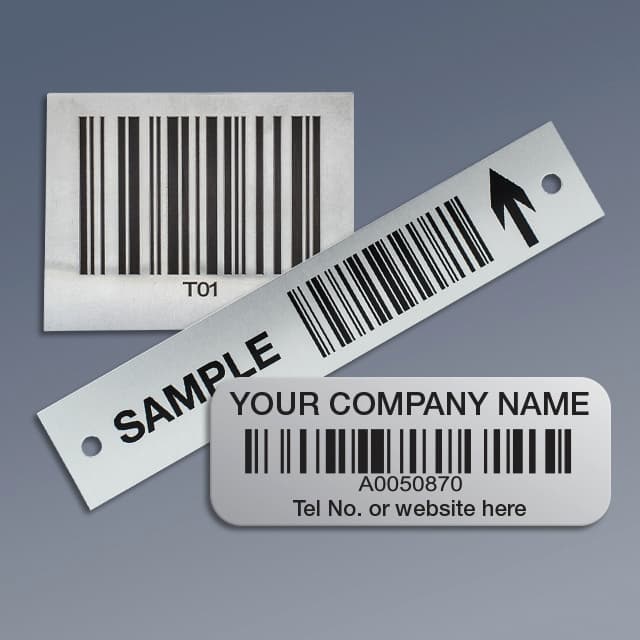
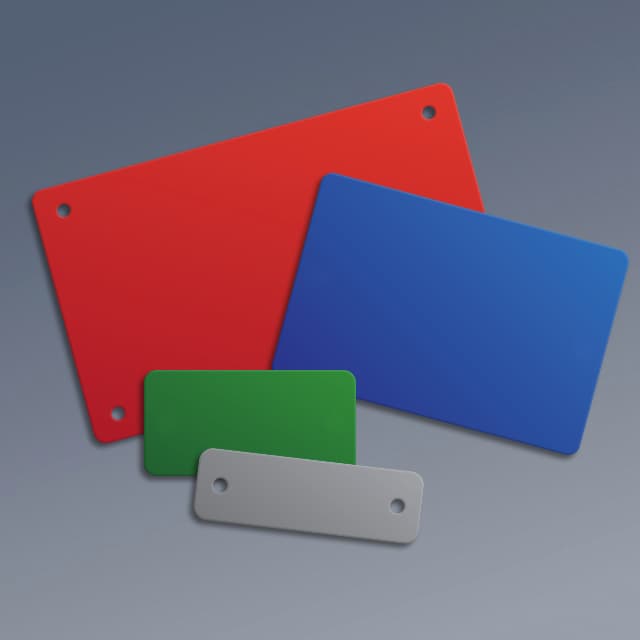
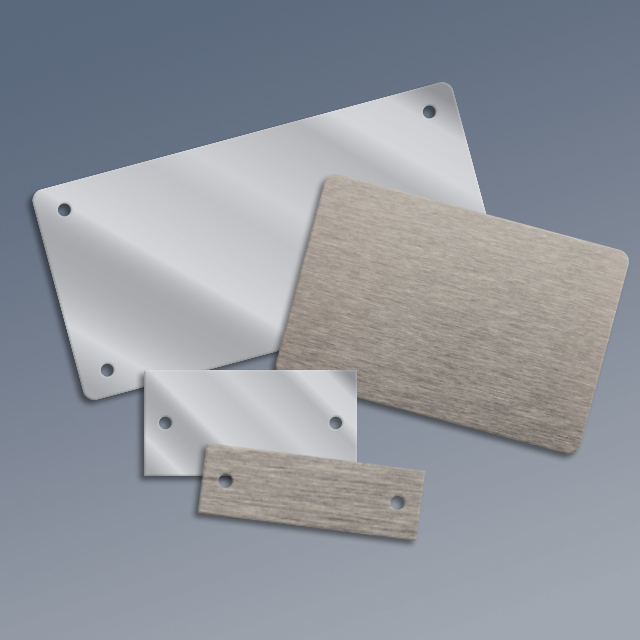
The science also explains why material choice affects quality. Stainless steel, aluminium and brass each absorb and conduct heat differently, so they do not all mark in the same way. Surface finish, coating, polish and thickness can all influence how sharply the laser reacts with the label. Accurate positioning and consistent material preparation help ensure fine details, such as serial numbers, QR codes and barcodes, remain crisp and readable.
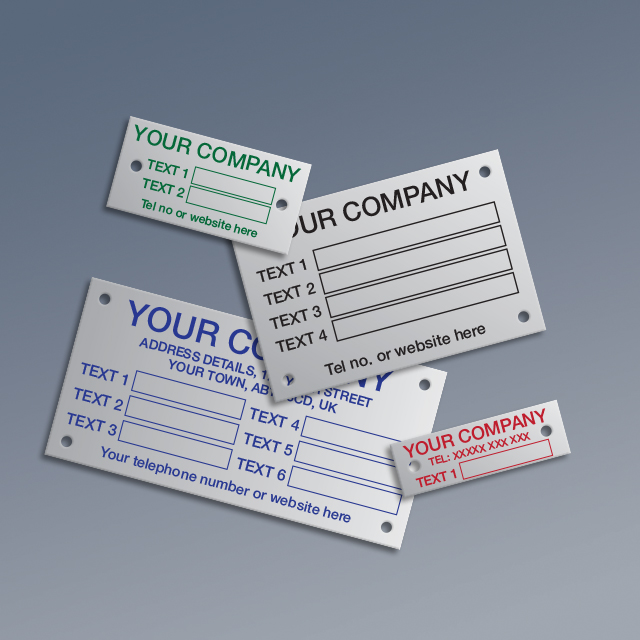
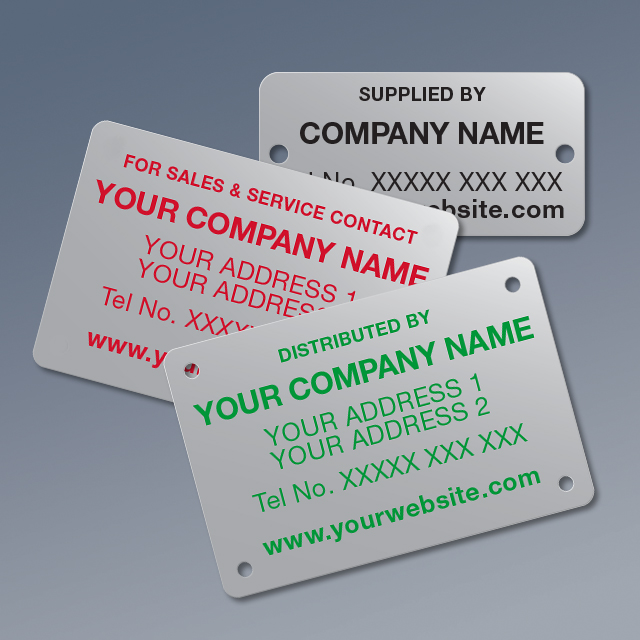
Because the process is digitally controlled, the same scientific precision can be applied to both repeat batches and unique variable data. Each label can carry different product codes, linear or QR barcodes, batch references, safety information or machine-readable codes while maintaining consistent mark quality. This combination of physics, material behaviour and digital control is what makes fibre laser marking so effective for industrial identification.
Whether you need blank metal labels to mark in-house or a finished laser-marked solution, GSM Online Label Sales can help you choose a suitable material and marking approach. Click here to place your order for blanks, or contact our team to discuss how we can fibre laser mark your information clearly, accurately and permanently.